
Fall Prevention in the Elderly
Information and Resources To Help Prevent Falls
Fall prevention in the elderly can improve the safety of your aging parents.
Falls are a main cause of serious injuries in the senior population and are often a source of fear in the elderly.
Fall prevention is being aware of (and possibly addressing) the elderly's abilities/behaviors (balance, concentration, rushing) as well as reducing risks in their environment (home, community).
The goal is making sure the environment your loved one is in is matched to their abilities - so if they have mobility issues, make sure there are no fall hazards.
If they have cognitive issues, make sure there are items that support them such as calendars, clocks and supervision if needed.
Personal Factors
1) Decreased Balance
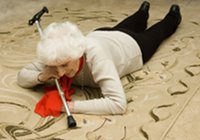
Solutions:
- Walking aids: cane, rollator walker, wheelchair or scooters for elderly
- Use wall or stable furniture for support (also called furniture cruising)
- Install handrails as needed
- Get up slowly, pause before moving to ensure no dizziness
- Increase physical activity (including exercises that improve balance: Tai Chi, Yoga)
- Wear glasses or stay in well lit areas
- Use good fitting footwear
- Regular, balanced meals to give yourself energy
- Sit down for dressing or to put your socks and shoes on; can use aids such as a long-handled reacher, long-handled shoe horn and/or a sock aid
- Take your time
2) Decreased Strength
Problems:
- Lack of physical activity causes weak muscles and stiff joints
- Conditions affecting the muscles and joints such as arthritis, osteoporosis, Parkinson's, diabetic neuropathy and stroke need to be treated specially; consult your physiotherapist or doctor
Solutions for Fall Prevention in the Elderly:
- Do exercises for the elderly daily in bed or chair
- As long as it is safe, walking helps strengthen your legs; go each day and gradually increase your distance
- Join exercise programs at recreational centres
- Plan regular activity to increase your exercise tolerance - invite a friend
- See physiotherapist for specialized exercises and stretching
- See massage therapist for muscle tightness and stretching exercises
- Avoid stairs if you do not feel strong enough, particularly if there is no handrail
3) Shortness of Breath
Solutions:
- Cut down or stop smoking
- Gradually increase physical activity
- Eat healthy meals
4) Difficulty with Concentration
Solutions for Fall Prevention in the Elderly:
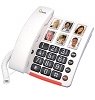
- Tape a list of emergency phone numbers by your phone
- Program important and frequently called telephone numbers into your phone if it has this option
- Eat regularly to prevent physical weakness and mental sluggishness
5) Dizziness
Solutions:
- Sit on side of bed for a few minutes before you stand up
- Install a bed rail for elderly
- After standing, pause and take one slow, deep breath before you take a step
- Tell your doctor if you suspect your medication is making you drowsy or dizzy
6) Foot Problems
Solutions:
- Wear proper fitting supportive shoes with low broad heels
- Choose shoes that offer better support than slip-ons
- Talk to podiatrist (foot doctor) about calluses, bunions, corns, ingrown toenails; corn plasters are not recommended for people with diabetes, heart or blood vessel disease
- Buy slippers that fit properly and are enclosed around the heels
- If your shoes are loose and you can't afford a new pair, buy insoles or wear extra socks
- Maintain good posture, consult physiotherapist if necessary
- Talk to foot care specialist, nurse or occupational therapist about proper foot care when decreased feeling / sensation due to diabetes
- Keep your feet propped up above your heart when sitting or lying if you have swollen feet
For more information: Shoes for Elderly
7) Sleep Issues
Solutions:
- Normal sleeping for older adults: six hours per night, awaken twice during night with 20 minutes to go back to sleep
- If you can't sleep after 20 to 40 minutes, get up and do something like read a book or listen to music
- Avoid caffeinated foods and drinks after 4 pm, try warm milk instead
- Do not nap in late afternoon or early evening
- Keep bedroom cool and quiet
- Ensure mattress is firm and comfortable
- Learn relaxation techniques; try a hot bath
- Medication can contribute to lack of sleep, talk to your doctor
- Increase exercise during day
- Decrease alcohol consumption
- Try and get outside for 20 minutes per day
For more information: Sleep and the Elderly
8) Bowel/Bladder Urgency
Solutions for Fall Prevention in the Elderly:
- Urinal and/or commode by bedside
- Nightlight for night movement to bathroom
- Exercises for strengthening the muscles that control urine flow (Kegel exercises)
- Go to the bathroom before going to bed
- Avoid constipation by eating a high fibre diet (veggies, fruit, whole grains), plenty of fluids and exercise
- Drink enough fluids so that your urine is light yellow in colour (usually 6 8 glasses
- or non-caffeinated drinks). Drinking too little fluid will cause irritation to the bladder and possible a urinary tract infection
- Incontinence products for women and men are available at medical supply stores and pharmacies
9) Reaching (when objects are too low or too high)
Solutions for Fall Prevention in the Elderly:
- Keep frequently used items below shoulder height, on easy-to-reach shelves, and/or at counter level
- Do not use step ladders/stools
- Keep things you use often within easy reach
10) Rushing
Solutions:
- Use cordless phone and carry it around; let the person call back or the answering machine take the message instead of rushing
- Take your time, especially when carrying objects
- Slow down, plan ahead, rest when tired and always give yourself more time to get to places and things done
- Allow enough time to complete tasks
- Make a "to do" list to avoid procrastination and rushing
- Try to focus on one task at a time
The Environment
1) Indoor Hazards
Problems:
- Loose carpets, scatter rugs
- Slippery/wet floors, walkways
- Poor lighting
- Clutter such as phone/ electrical cords, shoes, pet dishes, paper etc.
- Uneven walking areas
- Using step stools
- Crowded or poor furniture arrangement
- Pets around the feet
Solutions for Fall Prevention in the Elderly:
- Remove scatter rugs, tack down carpets
- Tape down electrical cords
- Install handrails for all stairs inside and outside house
- Can install handrails along hallways if needed
- Wipe up spills immediately
- Fix or mark uneven floors
- Nightlight
- Keep walkways clear of clutter
- Do not stand on ladder, chair, stool; if you do use a step stool, make sure it has a handle; try to organize shelving so items are easy to reach
- Use a trolley to carry items or your four wheeled walker basket
- Change arrangement of your furniture to open up the space, this is especially important if using walking aids
- Watch out for pets underfoot
For more information: Home Safety for Elderly
2) Bathroom Safety
Solutions for Fall Prevention in the Elderly:
- Non-slip mat
- Grab bars
- Bathtub bench (may be safer than a bath chair as senior can access tub while seated)
- Raised toilet seat
- Hand-held shower head
- Long-handled sponge
- Toilet rails or grab bar by toilet
- Good lighting
- Use liquid soap dispenser (well-secured) instead of bar soap, shampoo and conditioner
- Consider replacing towel rack with reinforced grab bar if senior holds onto
- If strength is an issue, consider sitting for grooming
3) Poor Lighting
Solutions:
- Use non-glare bulbs that are 100 watts or greater
- Wear sunglasses when in the sunlight or when there is a glare
- Remove reading glasses when walking
- Pause and give your eyes time to adapt to changes in light when entering and/or leaving a room
4) Outdoor Hazards
Problems:
- Blocking vision by carrying too much
- Walking on uneven ground
- Wet leaves, fallen branches
- Snow, ice, water
- Raised, cracked sidewalks
- Improper footwear for weather
- Getting on and off buses
- Poor outdoor lighting
Solutions for Fall Prevention in the Elderly:
- Walk on wet leaves, snow or ice only if absolutely necessary
- If you must walk on snow, it should be "crunchy"
- Walk slowly and pay attention
- Try to avoid particularly hazardous areas
- Avoid reaching or twisting when walking and standing
- Keep one hand free for balance unless using a walker
- Use a waist belt pack or backpack instead of carrying a purse
- Avoid carrying heavy items
- Use portable grocery cart or basket on rollator walker
- Install automatic or timed lighting outside
- Place winter grip on rubber tip of cane and shoes
Return to Elderly Safety
Return to Caring for Aging Parents
Like Caring-for-Aging-Parents.com?
Welcome
Product Guides
- Bathroom Products
- Mobility Products
- Lifts
- Equipment for Seniors
- Elderly Care Products
- Gifts Ideas
- Phones for Elderly
Forum
Health
Care Options
Safety
Money/Legal
Other
Subscribe




New! Comments
Have your say about what you just read! Leave me a comment in the box below.