
Help For Elderly
How to, Recommendations and Resources
Arranging help for elderly can become an important aspect of caring for your aging parents - depending on their situation. These articles will help you sort out the details.
Your aging parent may require equipment such as a walker or wheelchair or they may benefit from home support, health care services and assistance with transportation.
They may need assistance for a short period of time (such as after a hospitalization) or for long term.
Many seniors begin to have difficulty with driving, cleaning, grocery shopping, laundry and other more complicated tasks.
Every senior is different and some can manage money but need assistance with getting dressed. Or they might be totally independent with their self care but forget to turn the stove off.
The important point when arranging help for elderly is don't feel like you have to do everything at once or all by yourself. Bring in assistance from other family or friends or hire private services if you or your elderly parent can afford them.
Research and educate yourself. Plan ahead as it can save money and reduce stress.
Money and Legal Matters
There are a number of legal aspects that can impact providing help for elderly.
So far, we have written articles that discuss abuse of the elderly and life insurance.
Elderly abuse is a serious matter. You hear about all these "schemes" that target taking advantage of elderly. But often even more risky is seniors being taken advantage of by friends and family without anyone knowing.
To successfully care for the elderly, it's important that your aging parents are properly insured to cover their needs.
Health care can be very expensive and it's important to ensure that your aging parents savings are not spent paying off health care bills.
There are many choices of types of life insurance that will fit different senior's needs.
For More Information:
Elderly Transportation
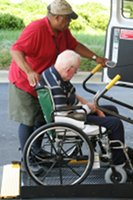
Many seniors drive less or stop driving as they get older.
This can be very frustrating as it is a loss of independence and can lead to loneliness and depression.
There are a variety of solutions to arrange help for elderly that make it easier for seniors to access community resources and services.
For More Information: Elderly Transportation
Home Safety
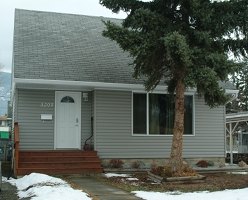
There can be potential hazards in your aging parents home, such as stairs without railings, scatter rugs, poor lighting and many other risky spots.
It's important to complete home safety checks on a regular basis. Your aging parent's abilities will change over time so their home will need to change with them.
For More Information: Home Safety for Elderly
Fall Prevention
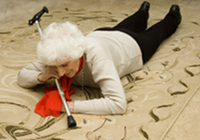
Elderly who have difficulty with walking (due to decreased strength and balance) are at risk for falls.
Part of arranging help for elderly consists of making sure to reduce the risk of falls.
It's important to complete a home safety check to reduce risks, encourage the use of an appropriate mobility aid (walker, cane) and engage in an exercise program/class to improve balance, strength and endurance.
For More Information: Fall Prevention in the Elderly.
Equipment for Seniors
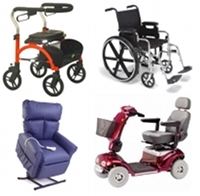
Many seniors can benefit from some equipment or products to prevent falls and make their life safer and easier.
There are a wide variety of products to assist with walking, cooking, eating, showering/bathing and mobility (such as power wheelchairs).
For More Information: Equipment for Seniors
Elderly Health Care
Most seniors will have regular health care visits with their family doctor, therapists, nurses and other health care professionals.
Part of coordinating help for elderly consists of managing their health needs.
It's important to educate yourself and your aging parent on what the different health care professionals focus on and how they can help.
We've also included a few general health tips at the bottom of this article.
For More Information: Elderly Health Care
Elderly Health Information
Incorporating health information into helping the elderly can be complicated and overwhelming - but it's important to know about your elderly parents health issues.
An important part of managing help for elderly is knowing how their health issues affect them.
For More Information:
Elderly Medication

Most seniors I've met take multiple medications.
In fact, I've only met one senior ever that was not on any medication!
One of the most important aspects of managing help for elderly is making sure they are taking their medication properly.
Many elderly have difficulty managing their medications. Mistakes with medication can be serious, even fatal.
There are a number of tips that can help seniors and their caregivers avoid medication mistakes.
For More Information: Elderly Medication
Assistance for the Elderly - Where to Start?
This article will help you to identify what areas your elderly parent needs assistance in.
It's one of the first steps to arranging help for elderly - what do they need help with (if anything)?
It will also head you in the right direction of where to start in the areas you've identified.
For More Information: Assistance for the Elderly
Elderly Day Care
Elderly Day Care centres are designed to provide a break (respite) for the main caregiver of an elderly loved one that can no longer care for themselves without supervision.
Good day care centres also provide appropriate social activities and health services as a part of their programming.
Some centres target a population of elderly with dementia specifically while others include a variety of people.
For More Information: Elderly Day Care
Home Care for the Elderly
It is always the preference to keep elderly in their own homes for as long as possible.
To do so, many seniors need services such as housekeeping, laundry, transportation, personal care and grocery delivery.
You might have access to public health care to provide part of these services or may have to consider private health care.
It's important to research service providers and ensure they are reputable businesses and have caring staff.
For More Information: Home Care for the Elderly
Caregiver for Elderly
There are times when keeping your elderly parent at home requires a caregiver to help.
This can be as simple as driving your elderly parent to their crib game or doctor's appointment or as involved as having a 24-hour live-in caregiver.
There are many different options for caregivers. You may have access to public health care for some assistance, may have to pay privately or can sometimes coordinate a mix of the two (public and private).
This article gives you some idea of they type of caregivers and what to consider when looking at the best options for keeping your loved one safe and happy.
For More Information: Caregiver for Elderly
Return to Caring for Aging Parents
Like Caring-for-Aging-Parents.com?
Welcome
Product Guides
- Bathroom Products
- Mobility Products
- Lifts
- Equipment for Seniors
- Elderly Care Products
- Gifts Ideas
- Phones for Elderly
Forum
Health
Care Options
Safety
Money/Legal
Other
Subscribe





New! Comments
Have your say about what you just read! Leave me a comment in the box below.